
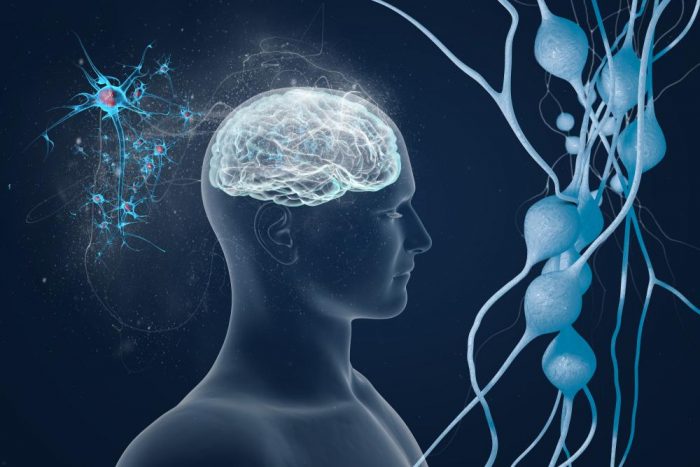
Transcranial Stimulation: What Is It?
Transcranial Direct Current Stimulation (tDCS) is a non-invasive, painless, and easy-to-use brain neuromodulation technique.
tDCS involves the application, through external electrodes positioned on the head, of a continuous current at very low intensity, not perceivable by the stimulated subject, targeting the area intended for modulation.
Qual è la storia della stimolazione transcranica (tDCS)?
La tecnologia tDCS venne ideata in Italia da un gruppo di Neurologi alla fine degli anni ’90 ed è poi stata progressivamente sviluppata e messa a punto da Medici, Bio-Ingegneri e Ricercatori.
Oggi quindi la terapia è conosciuta ed utilizzata in diversi Paesi a livello internazionale in ambito clinico e di ricerca da più di 20 anni.
How Does the Therapy Work?
Transcranial stimulation is able to induce modulations of the activity of specific areas of nervous tissue at the level of the cerebral cortex.
How Long Should It Be Used?
Each tDCS session lasts a few minutes (usually around 20 minutes) and, based on the physician’s prescription, can be performed once or even multiple times per day, in stimulation cycles of 5-10 or more sessions.
It is therefore a therapy typically used intermittently; the expected effects after each stimulation cycle may persist over time for a duration that varies from patient to patient. Based on this, the physician defines a personalized tDCS therapeutic program, consisting of stimulation cycles alternated with periods without stimulation, adjusted to control the patient’s symptoms.
What are the components of the tDCS system?
The tDCS system that the Patient is equipped with consists of a dedicated Stimulator and external electrodes that are appropriately positioned on the head and connected to the Stimulator via cables.
Is it possible to adjust the Stimulator settings?
The system stimulation parameters can be adjusted only and exclusively by a Doctor or qualified Personnel (based on medical prescription) through a dedicated programming device.
For Which Indications Can It Be Proposed?
Transcranial direct current stimulation acts on the central nervous system and finds potential application in all pathological conditions involving the cerebral cortex.
In recent years, tDCS has been widely used in the study of cognitive and behavioral processes, both in healthy subjects and in patients affected by degenerative or psychiatric diseases.
In fact, the simplicity of this technique, the absence of side effects, and the persistence of the induced effects make it an interesting prospect for the treatment of various neurological and neuropsychiatric disorders.
The current and approved therapeutic applications of tDCS focus on the following conditions:
- Chronic Pain (such as Fibromyalgia, Headaches, Central and Peripheral Neuropathic Pain)
- Major Depression
- Post-Stroke or Post-Trauma Rehabilitation (consequences related to Stroke or Trauma)
What are the benefits of the therapy?
tDCS can reduce some of the symptoms associated with the diseases/therapeutic areas for which it has been certified and approved.
What Are the Potential Risks Associated with tDCS Transcranial Stimulation?
Numerous studies have widely demonstrated that tDCS is a safe therapy and does not have significant side effects.
In some cases, patients may report (during and after the stimulation session) mild sensations of itching, tingling, and slight skin redness at the area where the electrodes are placed.